Commercial law firms represent businesses in two kinds of work: transactions and ongoing advice, like contracts, financing and commercial agreements, and disputes when those deals break down. Most of it is billed hourly, but defined transactional work often goes out as a flat fee, ongoing advice may run on a monthly retainer, and some disputes are taken on contingency or a hybrid arrangement.
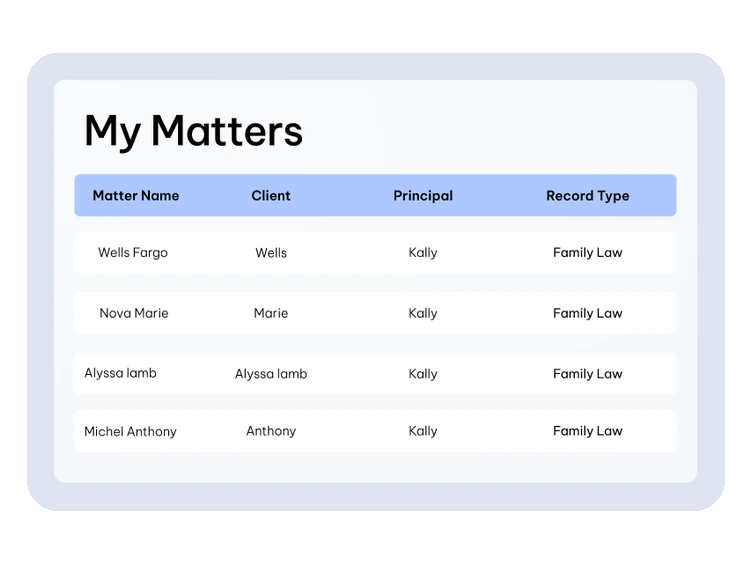
The client is usually a company with several open matters at once, and larger companies may send outside counsel guidelines and expect LEDES invoices. The firm has to bill each matter the way that client wants and still see what the whole relationship is worth. Most business law software focuses on contracts and deadlines and leaves that to a separate system.